FAQ
The regulation under the new law does not target at the general public. The law only targets at the manufacture, sale or supply of relevant products in the course of business. The general public will not violate the law by purchasing and using certain disposable plastic products in their daily lives.
For example, customers purchasing takeaway food will not violate the new law by using regulated tableware. The public will not violate the law if they purchase regulated products from overseas website or bring them back from travel for personal use in Hong Kong.
For example, customers purchasing takeaway food will not violate the new law by using regulated tableware. The public will not violate the law if they purchase regulated products from overseas website or bring them back from travel for personal use in Hong Kong.
No. After the regulation is implemented on 22 April 2024, restaurants can continue to supply disposable plastic containers, including cups and cup lids, for takeaway. Only EPS tableware (including plates, food containers and cups) would not be allowed.
No. After the regulation is implemented on 22 April 2024, restaurants can continue to use disposable plastic containers for takeaway, including lunch boxes and soup bowls. Only EPS tableware (including plates, food containers and cups) would not be allowed.
Only disposable plastic toothpicks are regulated products. Retailers are not allowed to sell or supply for free relevant products, but members of the public will not violate the law by purchasing and using plastic toothpicks. Plastic stemmed dental floss is the product to be regulated in the next phase, the exact implementation date will be subject to the availability and affordability of alternative products.
Interdental brushes and conventional dental floss are not even regulated products under the new legislation.
There are still a lot of different types of non-disposable plastic options for toothpicking or oral care on the market for the industry and the public to choose from, such as bamboo/wooden toothpicks, bamboo-stemmed dental floss, conventional dental floss, water flossers, etc.
Interdental brushes and conventional dental floss are not even regulated products under the new legislation.
There are still a lot of different types of non-disposable plastic options for toothpicking or oral care on the market for the industry and the public to choose from, such as bamboo/wooden toothpicks, bamboo-stemmed dental floss, conventional dental floss, water flossers, etc.
Regarding the first question, no. Only plastic stemmed cotton buds are banned from sale and free supply after the regulation is implemented on 22 April 2024, while cotton buds with paper shaft or wooden shaft can continue to be sold. We are aware that many brands in the market have already changed to sell paper shaft cotton buds, the supply of which is stable and abundant.
Yes. The new law only prohibits the sale and free supply of umbrella bags. The general public can continue to use plastic bags to carry umbrellas in their daily lives.
After the regulation is implemented on 22 April 2024, local hotels are only prohibited from free supply of plastic toiletries, while they can still provide these toiletries separately at a charge. Local hotels can also provide for free non-plastic toiletries. Tourists can also bring their own toiletries.
Tourists will not violate the law by bringing their own plastic toiletries.
Tourists will not violate the law by bringing their own plastic toiletries.
EPS is very light and can easily break and flow into the ocean, if inadvertently eaten by marine organisms will cause them to suffocate or be poisoned. It has a particularly serious impact on the environment and marine ecology. In fact, both the Mainland China and Macau have already banned the use of EPS tableware.
Yes. Disposable plastic products (such as plastic spoons) provided by hospitals and clinics for children or patients to take medicines are exempted under the new legislation because they are used for medical treatment or procedures .
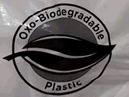
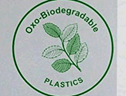
Under the regulation, a product is considered oxo-degradable plastic if it is made of plastic that contains an additive which, through oxidation, would lead to the fragmentation of the plastic into micro-fragments or to chemical decomposition of the plastic. A list of common “oxo-degradable plastics” additives or trademarks found in the market is appended below for reference. Should there be any enquiries, please contact us by email (enquiry@epd.gov.hk).
| "Oxo-degradable plastics" additives/trademarks | Trademark reference photos |
|---|---|
| TDPA EPI |
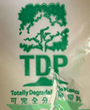
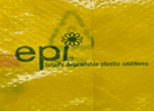
|
| P-Life |
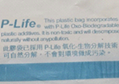
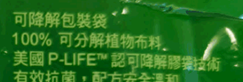
|
| d2w |  |
| AddiFlex |  |
| Reverte |  |
| OBD | 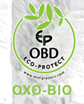 |
| Others - Printed with the term "Oxo-Biodegradable" |
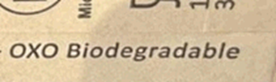
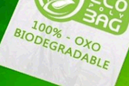
|